
In my therapeutic work across the lifespan—with children, adolescents, and adults—I often see how deeply people yearn for inner calm, emotional balance, and connection. Whether facing anxiety, emotional dysregulation, stress, or relationship difficulties, many clients benefit from a gentle return to presence, reflection, and self-compassion.
Alongside psychological strategies, I offer a space to honour spiritual wellbeing. For clients open to it, particularly those from Islamic or faith-based backgrounds, I integrate elements of mindfulness, emotional regulation, and spiritual grounding that align with their beliefs.
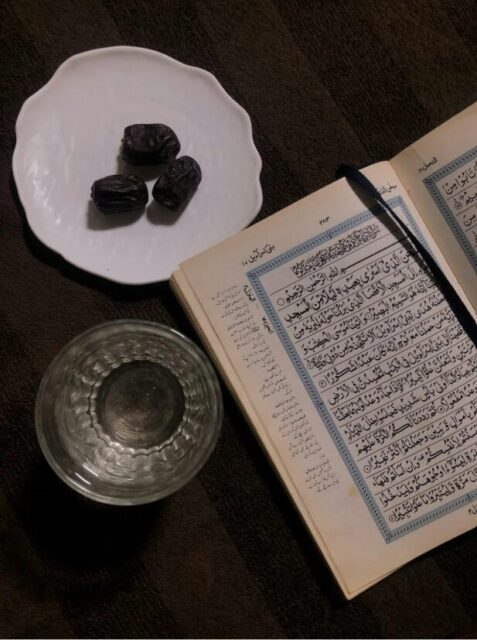
In Islamic tradition, inner calm is closely linked to tuma’ninah—a state of tranquillity and trust in the divine. The Qur’an reminds us:
“Surely in the remembrance of Allah do hearts find rest.” (Qur’an 13:28)
This verse underpins how spiritual practices—such as dhikr (remembrance), prayer, reflection, and gratitude—can support emotional regulation and foster resilience. I invite clients who are spiritually inclined to explore how their faith can be a resource during times of stress. This may include incorporating mindful breathing with dhikr phrases, using Islamic stories and metaphors to reflect on personal growth, or journaling with intention (niyyah) and self-compassion.
For children and teens, I introduce simple practices that nurture awareness and regulation through age-appropriate methods—such as breathing games, visualisations, or creating safe routines that blend structure with spiritual comfort. For adults, we may explore how disconnection from self, purpose, or faith can contribute to anxiety or emotional unrest—and how reconnecting spiritually can restore meaning and balance.
From both psychological and Islamic perspectives, well-being isn’t about suppressing emotion or pretending to be okay. It’s about meeting life’s difficulties with patience (sabr), reflection, and the willingness to seek help when needed. It’s also about recognising the sacredness of the present moment and the value of stillness in a world that often pushes constant doing.
Whether religious or not, each client’s journey is treated with deep respect. The path to calm and wellness can involve body, mind, heart—and for many, soul. Therapy becomes a space not just for symptom relief, but for reconnection—to self, to values, and to what gives life meaning.
About the Author:
Adil Parker is a Counselling Psychologist supporting individuals and families to build calm, resilience, and spiritual wellbeing across the lifespan. His approach is grounded in compassion, evidence-based practice, and an understanding of faith, identity, and lived experience.
Adil works with people across different life stages, offering culturally responsive support that honours emotional, psychological, and spiritual dimensions of wellbeing.
You can view Adil’s profile here: https://cmw.org.au/profile/adilparker/